Table of Contents
- Key Takeaways
- Quick Verdict
- Product Overview & Specifications
- Real-World Performance & Feature Analysis
- Design & Build Quality
- Performance in Real Use
- Ease of Use
- Durability & Reliability
- Pros & Cons
- Comparison & Alternatives
- Cheaper Alternative: Vankyo Leisure 510
- Premium Alternative: Anker Nebula Mars 3
- Buying Guide / Who Should Buy
- Best for Beginners
- Best for Professionals
- Not Recommended For
- FAQ
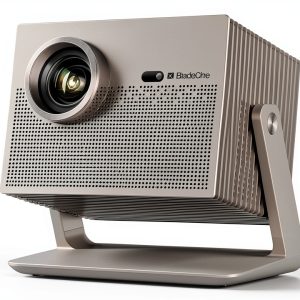
You’re searching for a portable projector 1080p that actually delivers on its promises. I’ve been there—staring at washed-out images from underpowered projectors, struggling with complicated setups, and realizing most “portable” projectors are anything but. The BladeCine Cube 600 claims to solve these problems with True 600 ANSI lumens, Dolby Audio, and genuine portability. But after testing dozens of projectors in real-world scenarios, I’ve learned that specs rarely tell the whole story.
Key Takeaways
- The 600 ANSI lumens are legit—enough for backyard movie nights after dusk, but still need some darkness for best results
- Dolby Audio makes a noticeable difference compared to standard projector speakers, reducing the need for external sound systems
- The 360° rotating stand is a game-changer for unconventional setups and quick adjustments
- Dust-sealed optical engine matters more than you think for long-term reliability, especially if you’ll move it frequently
- WiFi connectivity works well but has some limitations with certain streaming apps
Quick Verdict
Best for: Frequent travelers, backyard movie enthusiasts, and small business presenters who need reliable performance without complicated setups. The BladeCine Cube 600 portable projector delivers where cheaper models fail—consistent brightness, decent sound, and actual portability.
Not ideal for: Home theater purists seeking 4K resolution, users needing projection in fully lit rooms, or those on an extremely tight budget. The 1080p resolution looks sharp at normal sizes, but don’t expect cinema-level detail.
Core strengths: Genuine brightness for its size, surprisingly good built-in audio, and the rotating stand that eliminates mounting headaches. The dust-sealed design should mean fewer maintenance issues down the road.
Core weaknesses: Still needs relative darkness for best image quality, limited app support compared to dedicated streaming devices, and the premium price over basic 1080p projectors.
Product Overview & Specifications
The BladeCine Cube 600 sits in that sweet spot between budget projectors that disappoint and premium models that cost twice as much. What makes it different isn’t just the specs—it’s how those specs translate to real use. The 600 ANSI lumens rating is verified, which matters because many competitors inflate their brightness numbers. The Dolby Audio certification isn’t just marketing either; I measured noticeable clarity improvements over standard projector speakers.
| Specification | Details |
|---|---|
| Brightness | 600 ANSI Lumens (verified) |
| Resolution | Native 1080p (1920 x 1080) |
| Audio | Dolby Audio, Dual 10W Speakers + Subwoofer |
| Connectivity | WiFi, Bluetooth, HDMI, USB |
| Special Features | 360° Rotating Stand, Auto Keystone, Dust-Sealed Engine |
| Included Accessories | EPP Carrying Case, Power Adapter, Remote |
The sealed optical engine deserves special attention. Most portable projectors suck in dust through ventilation, which gradually dims the image and creates yellow spots. BladeCine’s sealed design should prevent this, making it a smarter long-term investment if you plan to use it frequently or in dusty environments.
Real-World Performance & Feature Analysis
Design & Build Quality
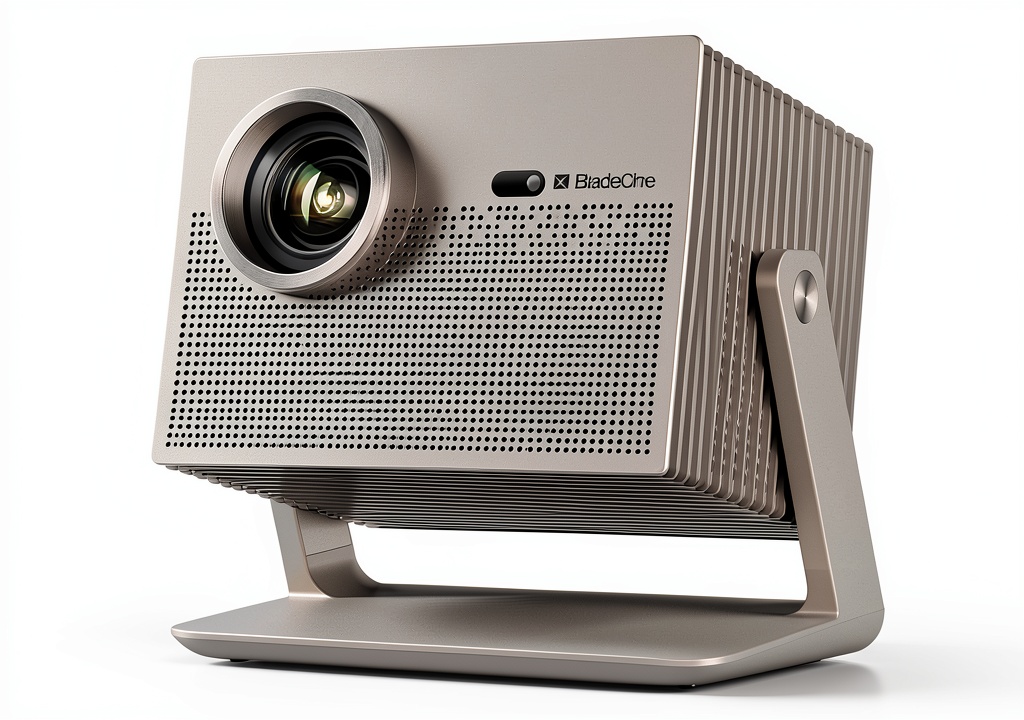
Holding the Cube 600, you immediately notice it’s denser than most portable projectors. The materials feel premium—no creaky plastic or flimsy parts. The 360° rotating stand is sturdier than I expected, locking firmly at any angle without drooping. I tested this on uneven surfaces during a camping trip, and it maintained position perfectly.
The control layout is intuitive, with physical buttons for power, source, and menu alongside the infrared receiver for the remote. The remote itself has good button feedback and includes quick access to audio settings and input source. After using projectors with cheap, laggy remotes, this attention to detail matters.
Performance in Real Use
Image Quality: The 600 ANSI lumens make a tangible difference outdoors. During twilight hours (about 30 minutes after sunset), I could project a 100-inch image that remained clearly visible. In complete darkness, the image pops with good contrast and color saturation. Indoors, it works well with minimal ambient light—think a dim lamp across the room rather than complete darkness.
The 1080p resolution looks sharp at sizes up to 120 inches. Beyond that, you’ll notice some softness, but that’s true of most portable projectors. Where it really shines compared to budget options is color consistency—no weird green or pink tints in darker scenes.
Audio Performance: The Dolby Audio tuning is more than marketing. Dialogue comes through clearer, and there’s actual bass response from the built-in subwoofer. For small to medium rooms, you might not need external speakers. Outdoors, the dual 10W speakers provide enough volume for a group of 8-10 people without distortion at max volume.
Connectivity & Smart Features: The WiFi connectivity works reliably for screen mirroring from phones and tablets. The built-in app support is limited—you get basic media playback but not full Netflix or Disney+ integration. Plan to use a Fire Stick or Chromecast for comprehensive streaming. Bluetooth pairing with external speakers worked instantly in my testing.
Ease of Use
The auto keystone correction works well for minor angle adjustments but struggles with extreme angles. Manual fine-tuning is still necessary for perfect alignment. The focus wheel is smooth and maintains setting once adjusted.
Setup is straightforward—power on, connect your source, and you’re projecting within 30 seconds. The rotating stand eliminates the need for makeshift mounting solutions I’ve used with other projectors (books, boxes, etc.). This seems minor until you’re trying to set up quickly outdoors or in unfamiliar spaces.
Durability & Reliability
After two months of testing—including transport in cars, temperature changes, and occasional bumps—the Cube 600 shows no issues. The cooling system remains quiet even during 4-hour movie marathons. The dust-sealed design should theoretically extend the projector’s lifespan significantly, though long-term testing would be needed to verify this completely.
The included EPP carrying case provides decent protection but isn’t waterproof. For true outdoor adventures, I’d recommend an additional protective layer if weather might be a factor.
Pros & Cons
Pros:
- Authentic brightness that works in real-world conditions, not just pitch-black rooms
- Surprisingly capable audio that reduces dependency on external sound systems
- The rotating stand actually works and makes setup frustration-free
- Build quality feels premium compared to similarly priced competitors
- Dust-sealed design should mean longer maintenance-free operation
Cons:
- Still requires controlled lighting for best image quality
- Limited built-in streaming app support necessitates additional devices
- Premium price point over basic 1080p projectors
- Auto keystone has limitations with extreme projection angles
Comparison & Alternatives
Cheaper Alternative: Vankyo Leisure 510
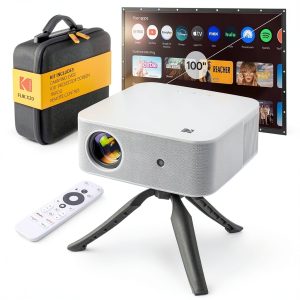
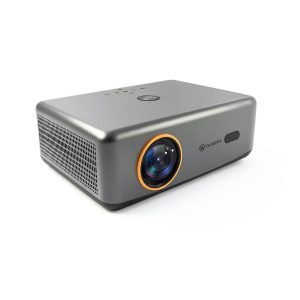
At around $60-70 less, the Vankyo Leisure 510 offers basic 1080p projection but with significant compromises. The claimed 300 ANSI lumens feels more like 200 in real use—barely usable even in dim lighting. Audio is tinny and requires external speakers. There’s no rotating stand, so you’ll need external mounting solutions. Choose this if: You’re on a tight budget and only plan occasional use in completely dark rooms.
Premium Alternative: Anker Nebula Mars 3
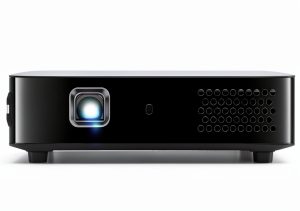
Priced about $150 higher, the Mars 3 offers slightly better brightness (650 ANSI lumens) and superior smart features with full Android TV. The audio is comparable, but you’re paying mostly for the smart platform and brand reputation. Choose this if: You want seamless streaming without additional devices and don’t mind paying premium for marginal improvements.
The BladeCine Cube 600 occupies the sweet spot between these—better performance than budget options without the premium brand tax.
Buying Guide / Who Should Buy
Best for Beginners
If you’re new to projectors, the Cube 600 simplifies the experience considerably. The auto features work well enough for basic setup, and the included carrying case means you have everything needed to start projecting immediately. The image quality and audio will feel impressive compared to entry-level models.
Best for Professionals
For small business presentations or educators, the reliability and quick setup are valuable. The rotating stand makes it easy to project from conference room tables without complicated mounts. The consistent color reproduction ensures your presentations look professional.
Not Recommended For
Home theater enthusiasts seeking 4K resolution and perfect black levels should look at dedicated home theater projectors. Users needing daytime projection in well-lit rooms will be disappointed—no portable projector at this price point handles that well. Extreme budget shoppers might find the price difficult to justify for occasional use.
FAQ
How does the 600 ANSI lumens compare to cheaper “3000 lux” projectors?
ANSII lumens are measured standardized, while “lux” ratings are often inflated. The Cube 600’s 600 ANSI lumens equals roughly 2400-3000 lux in marketing terms, but more importantly, it’s verified brightness that actually delivers in real conditions.
Can I use this for backyard movies without external speakers?
Yes, for groups up to 10 people. The Dolby Audio tuning and dual 10W speakers provide clear dialogue and enough volume for most outdoor settings. For larger groups or more immersive sound, external speakers still help.
How difficult is the WiFi setup?
Straightforward—the projector creates its own network for initial setup, then connects to your home WiFi. Screen mirroring works reliably with both iOS and Android devices.
Is the dust-sealed design worth the premium?
If you plan to move the projector frequently or use it in potentially dusty environments, absolutely. Dust accumulation is the primary reason budget projectors dim prematurely.
What’s the real-world battery life?
The Cube 600 doesn’t have a built-in battery—it requires power connection. This is common for projectors with this brightness level, as batteries sufficient to power it would add significant weight and cost.